
Eyes are truly fascinating! They’re not only the windows to the soul, but they’re also incredibly complex organs that play a crucial role in our daily lives. Here’s a bit of insight into the wonderful world of eyes:
- Anatomy: Eyes consist of various parts, including the cornea, iris, pupil, lens, retina, and optic nerve. Each part has a specific function, contributing to our vision.
- Vision: Our eyes allow us to perceive the world around us through the sense of sight. Light enters through the cornea, passes through the pupil (which dilates or constricts to control the amount of light entering), and is focused by the lens onto the retina. The retina contains photoreceptor cells (rods and cones) that convert light into electrical signals, which are then sent to the brain via the optic nerve for interpretation.
- Color Vision: Cones in the retina are responsible for color vision. Humans typically have three types of cones, sensitive to red, green, and blue light, respectively. The combination of signals from these cones allows us to perceive a wide range of colors.
- Visual Acuity: This refers to the sharpness of vision. It’s determined by factors such as the shape of the eye, the health of the retina, and the focusing ability of the lens. Conditions like nearsightedness (myopia) and farsightedness (hyperopia) can affect visual acuity.
- Eye Health: Taking care of our eyes is essential for maintaining good vision. This includes regular eye exams, wearing protective eyewear when necessary, maintaining a healthy lifestyle, and protecting our eyes from harmful UV rays.
- Common Eye Conditions: Various eye conditions can affect vision, such as cataracts (clouding of the lens), glaucoma (damage to the optic nerve), macular degeneration (deterioration of the central part of the retina), and diabetic retinopathy (damage to the blood vessels in the retina).
- Emotional Expression: Eyes are also crucial for non-verbal communication. They can convey a wide range of emotions, from joy and sadness to surprise and anger. Eye contact is an important aspect of human interaction and can convey trust, empathy, and sincerity.
- Cultural Significance: Throughout history and across different cultures, eyes have held symbolic significance. They’re often associated with perception, knowledge, and enlightenment. In art, literature, and mythology, eyes frequently symbolize deeper themes and concepts.
Overall, eyes are not only vital for our physical well-being but also play a significant role in how we perceive and interact with the world around us.
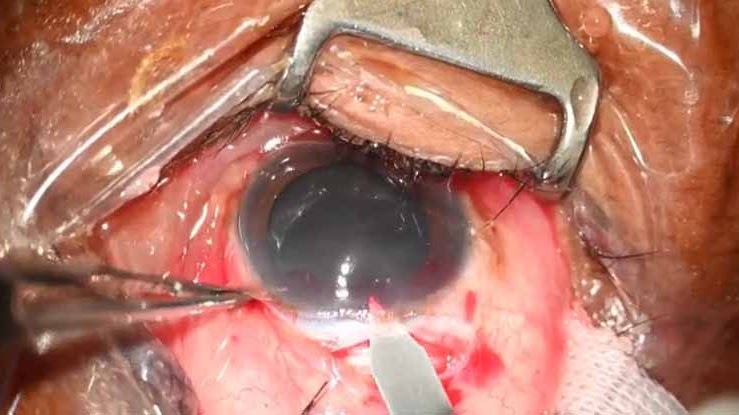
Cataract surgery is a common procedure performed to treat cataracts, which are a clouding of the lens inside the eye that can cause vision impairment. Here’s a breakdown of what cataract surgery entails:
- Preoperative Evaluation: Before the surgery, your ophthalmologist will conduct a thorough eye examination to assess the extent of the cataract and ensure that surgery is necessary. They’ll also discuss your medical history and any medications you’re taking.
- Anesthesia: Cataract surgery is typically performed under local anesthesia, which numbs the eye area. You’ll be awake during the procedure, but you may receive a sedative to help you relax.
- Surgical Procedure: There are two main techniques used in cataract surgery:
- Phacoemulsification: This is the most common technique. It involves making a tiny incision in the cornea and using ultrasound energy to break up the cloudy lens (cataract) into small pieces, which are then suctioned out of the eye. Once the cataract is removed, an artificial intraocular lens (IOL) is implanted to replace the natural lens.
- Extracapsular Cataract Extraction (ECCE): This technique is less commonly used nowadays. It involves making a larger incision and removing the cataract in one piece. An IOL is also implanted after the cataract is removed.
- Intraocular Lens (IOL): The artificial lens implanted during cataract surgery replaces the cloudy natural lens that was removed. There are different types of IOLs available, including monofocal, multifocal, and toric lenses. Your surgeon will discuss the best option for your needs.
- Recovery: Cataract surgery is usually performed on an outpatient basis, meaning you can go home the same day. You’ll need someone to drive you home after the procedure. Most people experience improved vision within a few days to weeks after surgery, although full recovery may take several weeks.
- Postoperative Care: After surgery, you’ll need to follow your surgeon’s instructions for eye care, which may include using prescription eye drops to prevent infection and inflammation. You’ll also have follow-up appointments to monitor your progress and ensure proper healing.
Cataract surgery is generally considered safe and highly effective in improving vision and quality of life for people with cataracts. However, as with any surgical procedure, there are risks and potential complications, such as infection, inflammation, and retinal detachment. Your ophthalmologist will discuss these risks with you before surgery and address any concerns you may have.
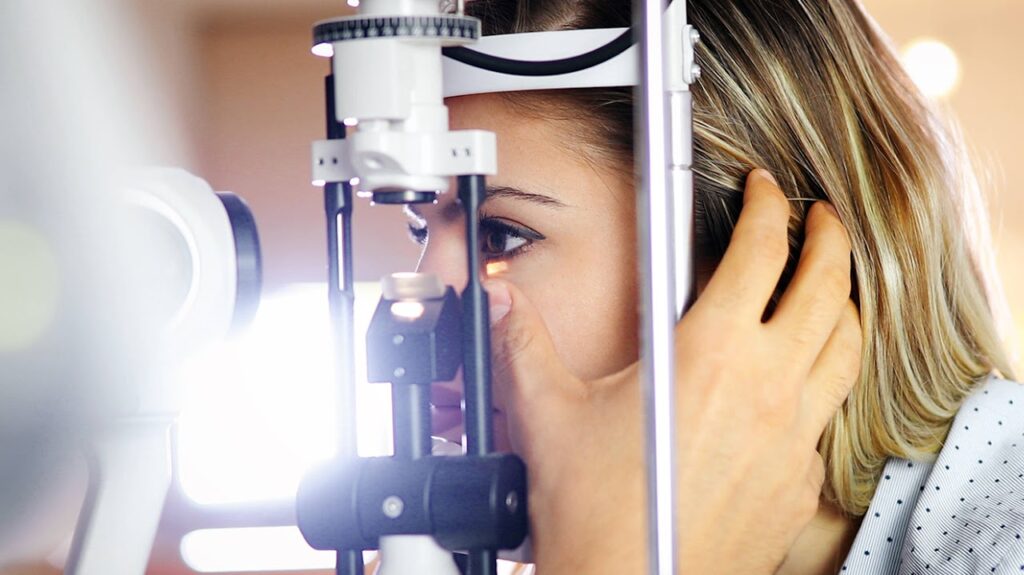
- Reputation and Reviews: Look for eye hospitals with a good reputation for providing quality eye care services. You can check online reviews, testimonials, or ask for recommendations from friends, family, or healthcare professionals.
- Specialized Services: Consider hospitals that offer a wide range of specialized services related to eye care, including cataract surgery, LASIK surgery, retina treatment, pediatric ophthalmology, and glaucoma management.
- Expertise of Doctors: Ensure that the hospital has experienced and qualified ophthalmologists who specialize in various eye conditions and treatments. You can research the credentials and expertise of the doctors working at the hospital.
- Technological Infrastructure: Look for hospitals equipped with advanced technology and modern facilities for diagnosis, treatment, and surgery. State-of-the-art equipment can contribute to better outcomes and patient satisfaction.
- Patient Care and Support: Evaluate the hospital’s approach to patient care, including the friendliness of staff, waiting times, cleanliness, and overall patient experience. A hospital that prioritizes patient comfort and satisfaction is important for a positive healthcare experience.
- Cost and Insurance Coverage: Consider the cost of services and whether the hospital accepts your health insurance, if applicable. It’s important to clarify payment options and any out-of-pocket expenses before undergoing treatment.
List of Eye Hospital in Mira Bhayander
- Infinite Vision Care Eye Hospital Bhayander west
- Dr Anuj Bahuva, Sanjeevani Eye Hospital Bhayander west
- Sheetal Skin & Eye Clinic Miraroad
- Tara Netralaya Miraroad
- Bhaktivedanta Hospital & Research Instituted Miraroad
- Kamala Eye Clinic Dr Rajnedra Jain Bhayander West
- Manav Kalyan Kendra Dahisar
Understanding the Cost of Cataract Surgery
- Basic Package:
Cataract Surgery 5,000-00 ( Indian Lens )
- Standard Package :
Cataract Surgery 20,000 to 40,000
- Premium Package:
Cataract Surgery 50,000 to 10,00,00
- Charity Package:
Free of Cost
Any Consultant if You Want We Can Help You
Leave a Reply